排序链表(LeetCode 148)
)
文章目录
- 1.问题描述
- 2.难度等级
- 3.热门指数
- 4.解题思路
- 参考文献
1.问题描述
给你链表的头结点 head ,请将其按 升序 排列并返回 排序后的链表 。
示例 1:
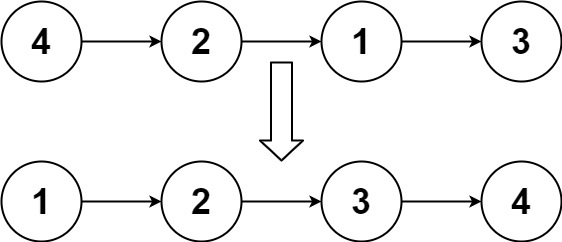
输入:head = [4,2,1,3]
输出:[1,2,3,4]
示例 2:
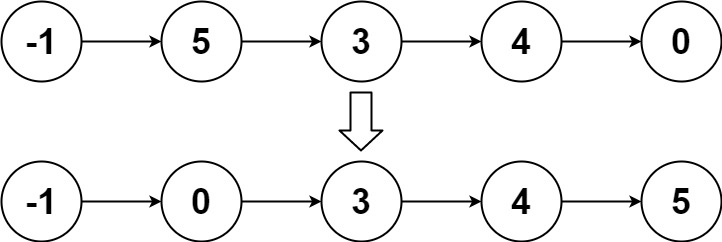
输入:head = [-1,5,3,4,0]
输出:[-1,0,3,4,5]
示例 3:
输入:head = []
输出:[]
2.难度等级
Medium。
3.热门指数
★★★★☆
4.解题思路
可参考归并排序中的归并排序思想,主要有三个步骤。
- 找到链表的中间结点。
寻找链表的中点可以使用快慢指针的做法,快指针每次移动 222 步,慢指针每次移动 111 步,当快指针到达链表末尾时,慢指针指向的链表节点即为链表的中点。
-
递归对左半部分和右半部分排序。
-
将两个排序后的子链表合并,得到完整的排序后的链表。
可以使用「21. 合并两个有序链表」的做法,将两个有序的子链表进行合并。
时间复杂度: O(nlogn)。
空间复杂度: 递归栈空间复杂度为 O(logn),不考虑的话为 O(1)。
下面以 Golang 为例给出实现。
func merge(head1, head2 *ListNode) *ListNode {dummyHead := &ListNode{}temp, temp1, temp2 := dummyHead, head1, head2for temp1 != nil && temp2 != nil {if temp1.Val < temp2.Val {temp.Next = temp1temp1 = temp1.Next} else {temp.Next = temp2temp2 = temp2.Next}temp = temp.Next}if temp1 != nil {temp.Next = temp1} else {temp.Next = temp2}return dummyHead.Next
}func findmid(head *ListNode) *ListNode {if head == nil || head.Next == nil {return head}dummy := &ListNode{Next: head,}slow, fast := dummy, dummyfor fast != nil && fast.Next != nil {slow = slow.Nextfast = fast.Next.Next}return slow
}func mergesort(head *ListNode) *ListNode {if head == nil || head.Next == nil {return head}mid := findmid(head)rhead := mid.Nextmid.Next = nil// 排序左链表l := mergesort(head)// 排序右链表r := mergesort(rhead)// 合并左右链表return merge(l, r)
}/*** Definition for singly-linked list.* type ListNode struct {*     Val int*     Next *ListNode* }*/
func sortList(head *ListNode) *ListNode {return mergesort(head)
}
参考文献
148. 排序链表 - LeetCode
LeetCode 148——排序链表