【数据结构】栈和队列


前言:
栈(Stack)和队列(Queue),它们都是常用的数据结构,用于组织和存储数据。
文章目录
- 一、栈
- 栈的实现
- 二、队列
- 队列的实现
- 附录
- 栈实现的完整代码
- 队列实现的完整代码
一、栈
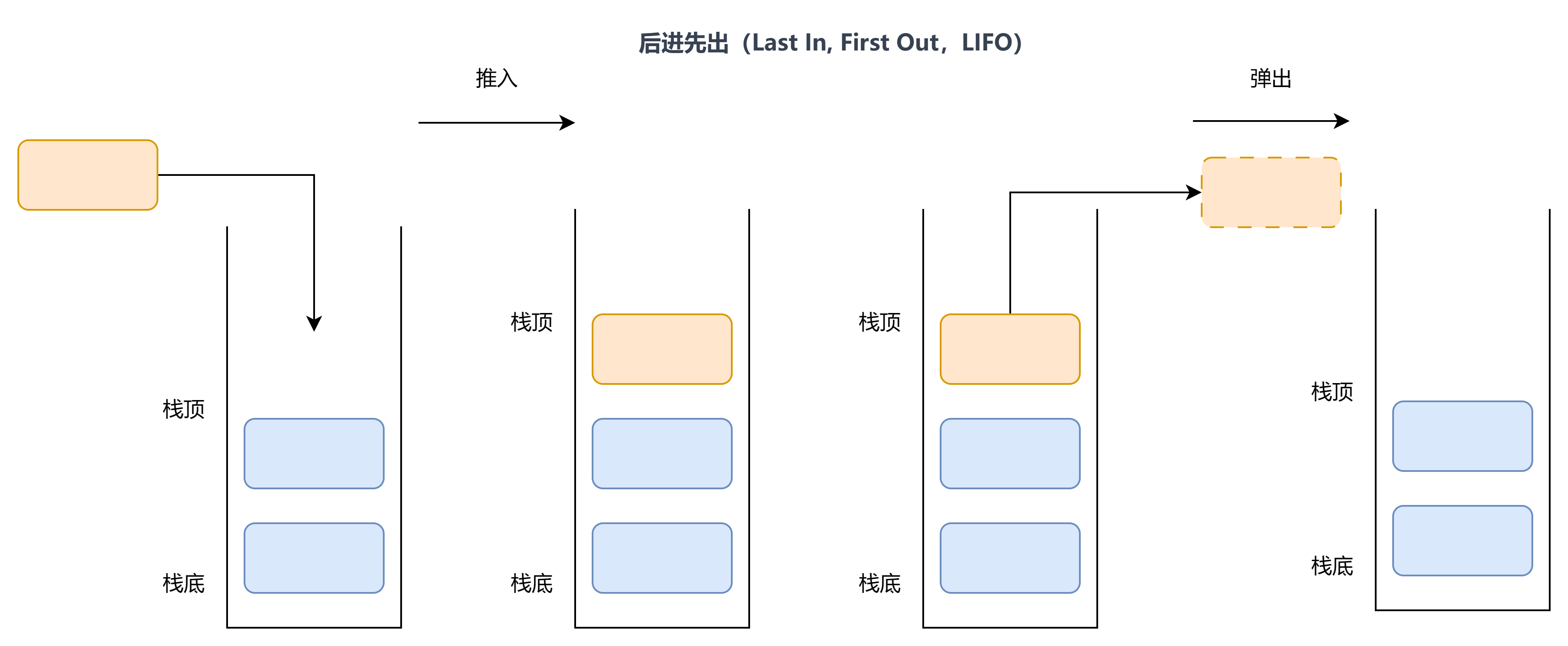
当我们谈论栈时,我们实际上在谈论一种后进先出(Last In, First Out,LIFO)的数据结构。这意味着最后插入的元素首先被移除。让我们深入了解一下栈的特性和操作:
1. 特性:
-
后进先出(LIFO): 最后放入栈的元素是第一个被移除的。
-
操作受限: 栈有两个主要操作:推入(Push)和弹出(Pop)。推入将元素添加到栈的顶部,而弹出则将栈顶的元素移除。
-
栈顶: 只有栈顶的元素是可见的,即只能访问或修改栈顶的元素。
2. 操作:
-
推入(Push): 将元素添加到栈的顶部。
-
弹出(Pop): 从栈的顶部移除元素。
-
查看栈顶(Peek): 查看栈顶的元素,但不移除它。
-
判空和判满: 可以检查栈是否为空(Empty)或已满(Full),虽然栈的大小通常是动态调整的,因此满的情况相对较少。
栈的实现
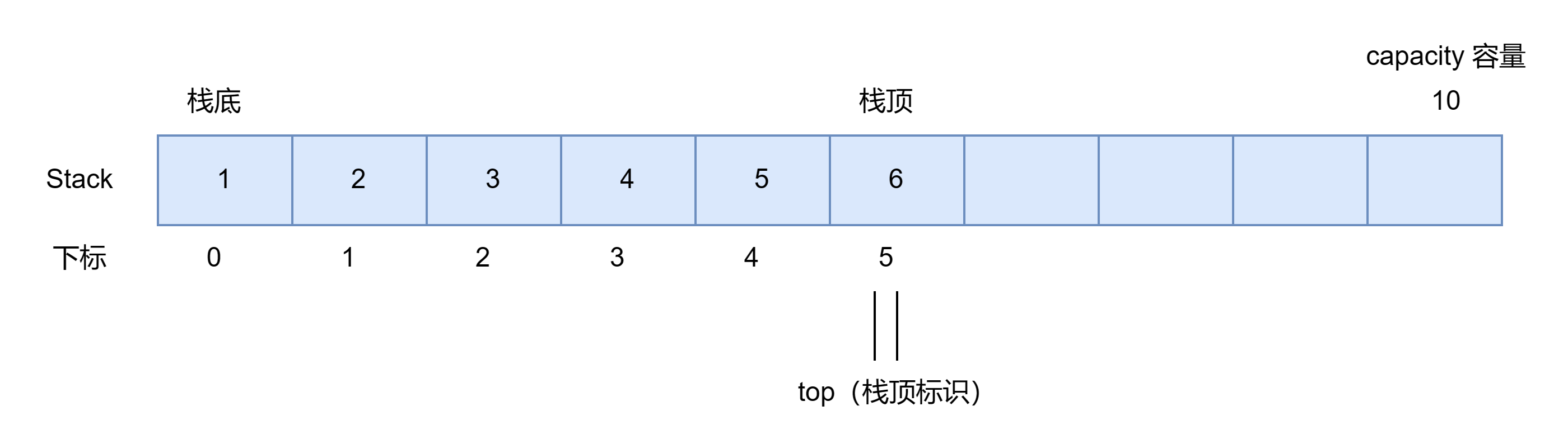
栈的实现一般可以使用数组或者链表实现,相对而言数组的结构实现更优一些。这里我们使用动态的数组来实现栈。
Stack 结构体:
typedef int STDataType;typedef struct Stack {STDataType* a; int top; //标识栈顶int capacity; //容量}ST;
操作栈的函数:
//初始化
void StackInit(ST* pst);//销毁栈
void StackDestroy(ST* pst);//栈顶推入
void StackPush(ST* pst, STDataType x);//栈顶弹出
void StackPop(ST* pst);//获取栈顶元素
STDataType StackTop(ST* pst);//检测栈是否为空
bool StackEmpty(ST* pst);//获取栈的有效元素个数
int StackSize(ST* pst);
完整的栈的代码在最后
二、队列
队列(Queue)是一种基本的数据结构,它遵循先进先出(First In, First Out,FIFO)的原则。这意味着最先进入队列的元素将最先被移出,就像排队一样。队列常被用于需要按顺序处理的场景,比如任务调度、广度优先搜索、打印任务等。
以下是队列的一些关键特性和基本操作:
1. 特性:
-
先进先出(FIFO): 队列中最早进入的元素首先被移除。
-
操作受限: 队列主要支持两个操作:入队(Enqueue)和出队(Dequeue)。
-
队头和队尾: 队列的前端称为队头(Front),用于出队操作;队列的后端称为队尾(Rear),用于入队操作。
2. 操作:
-
入队(Enqueue): 向队尾添加元素。
-
出队(Dequeue): 从队头移除元素。
-
查看队头元素(Front): 查看队头的元素,但不移除它。
-
检查队列是否为空: 判断队列中是否有元素。
-
检查队列是否已满(对于有限队列): 在使用有限大小的队列时,可以检查队列是否已满。
在实际编程中,队列可以使用数组、链表或其他数据结构来实现。例如,使用数组时需要考虑队列的大小和溢出的问题,而使用链表时可以更方便地处理动态大小的队列。

队列的实现
队列也可以数组和链表的结构实现,使用链表的结构实现更优一些,因为如果使用数组的结构,出队列在数组头上出数据,效率会比较低。

Queue结构体
typedef int QDataType;//节点
typedef struct QueueNode {QDataType val;struct QueueNode* next;
}QNode;typedef struct Queue {QNode* phead;//队头节点QNode* ptail;//队尾节点int size;    //元素长度
}Queue;
操作函数
//初始化
void QueueInit(Queue* pq);//销毁队列
void QueueDestroy(Queue* pq);//插入
void QueuePush(Queue* pq, QDataType x);//弹出
void QueuePop(Queue* pq);//队头
QDataType QueueFront(Queue* pq);//队尾
QDataType QueueBack(Queue* pq);//队列是否为空
bool QueueEmpty(Queue* pq);//队列元素个数
int QueueSize(Queue* pq);
附录
栈实现的完整代码
“Stack.h”
#pragma once
#include<stdio.h>
#include<stdlib.h>
#include<assert.h>
#include<stdbool.h>typedef int STDataType;typedef struct Stack {STDataType* a;int top;     //标识栈顶int capacity; //容量}ST;//初始化
void StackInit(ST* pst);//销毁栈
void StackDestroy(ST* pst);//栈顶推入
void StackPush(ST* pst, STDataType x);//栈顶弹出
void StackPop(ST* pst);//获取栈顶元素
STDataType StackTop(ST* pst);//检测栈是否为空
bool StackEmpty(ST* pst);//获取栈的有效元素个数
int StackSize(ST* pst);
“Stack.c”
#include"Stack.h"void StackInit(ST* pst) {assert(pst);pst->a = NULL;pst->capacity = 0;pst->top = 0;//指向栈顶下一个元素
}void StackDestroy(ST* pst) {assert(pst);free(pst->a);
}void StackPush(ST* pst, STDataType x) {assert(pst);if (pst->top == pst->capacity) {int newcapacity = pst->capacity = 0 ? 4 : 2 * pst->capacity;STDataType* temp = realloc(pst->a,sizeof(STDataType)*newcapacity);if (temp == NULL) {perror("realloc fail");return;}pst->a = temp;pst->capacity = newcapacity;}pst->a[pst->top] = x;pst->top++;
}void StackPop(ST* pst) {assert(pst);//不为空assert(pst->top > 0);pst->top--;
}STDataType StackTop(ST* pst) {assert(pst);//不为空assert(pst->top > 0);return pst->a[pst->top - 1];
}bool StackEmpty(ST* pst) {assert(pst);return pst->top == 0;
}int StackSize(ST* pst) {assert(pst);return pst->top;
}
“test.c”
#include"Stack.h"int main() {ST s;StackInit(&s);StackPush(&s,1);StackPush(&s,2);StackPush(&s,3);printf("%d ", StackTop(&s));StackPush(&s, 4);printf("%d ", StackTop(&s));while (!StackEmpty(&s)) {printf("%d ", StackTop(&s));StackPop(&s);}return 0;
}
队列实现的完整代码
“Queue.h”
#pragma once
#include<stdio.h>
#include<assert.h>
#include<stdlib.h>
#include<stdbool.h>typedef int QDataType;//节点
typedef struct QueueNode {QDataType val;struct QueueNode* next;
}QNode;typedef struct Queue {QNode* phead;//队头节点QNode* ptail;//队尾节点int size;    //元素长度
}Queue;//初始化
void QueueInit(Queue* pq);//销毁队列
void QueueDestroy(Queue* pq);//插入
void QueuePush(Queue* pq, QDataType x);//弹出
void QueuePop(Queue* pq);//队头
QDataType QueueFront(Queue* pq);//队尾
QDataType QueueBack(Queue* pq);//队列是否为空
bool QueueEmpty(Queue* pq);//队列元素个数
int QueueSize(Queue* pq);
“Queue.c”
#include "Queue.h"void QueueInit(Queue*pq) {assert(pq);pq->phead = pq->ptail = NULL;pq->size = 0;
}void QueueDestroy(Queue* pq) {assert(pq);QNode* cur = pq->phead;while (cur) {QNode* next = cur->next;free(cur);cur = next;}pq->phead = pq->ptail = NULL;pq->size = 0;
}void QueuePush(Queue* pq, QDataType x) {assert(pq);QNode* newnode = (QNode* )malloc(sizeof(QNode));if (newnode == NULL) {perror("malloc fail");return;}newnode->val = x;newnode->next = NULL;if (pq->ptail == NULL) {pq->ptail = pq->phead = newnode;}else {pq->ptail->next = newnode;pq->ptail = newnode;}pq->size++;
}void QueuePop(Queue* pq) {assert(pq->phead);assert(pq);QNode* del = pq->phead;pq->phead = pq->phead->next;free(del);del = NULL;if (pq->phead == NULL)pq->ptail = NULL;pq->size--;
}QDataType QueueFront(Queue* pq) {assert(pq);assert(pq->phead);return pq->phead->val;
}QDataType QueueBack(Queue* pq) {assert(pq);assert(pq->ptail);return pq->ptail->val;
}bool QueueEmpty(Queue* pq) {assert(pq);return pq->phead == NULL;
}int QueueSize(Queue* pq) {assert(pq);return pq->size;
}
“test.c”
#include"Queue.h"int main() {Queue q;QueueInit(&q);QueuePush(&q,1);QueuePush(&q,2);QueuePush(&q,3);QueuePush(&q,4);QueuePush(&q,5);while (!QueueEmpty(&q)) {printf("%d",QueueFront(&q));QueuePop(&q);}
}

如果你喜欢这篇文章,点赞👍+评论+关注⭐️哦!
欢迎大家提出疑问,以及不同的见解。